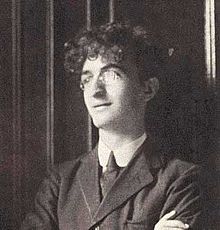
va molto di moda l'espressione "rivoluzione liberale", riferita alle liberalizzazioni, al berlusconismo, in una parola al thacherismo, cioè alla cancellazione di quei pochi elementi di intervento statale in economia che hanno caratterizzato che hanno caratterizzato tutto l'occidente nel periodo 1930-1980. Usare l'espressione gobettiana in questo senso equivale a equiparare l'intervento statale in economia al feudalesimo. Mi spiego. Cosa intendeva Gobetti con rivoluzione liberale? Intenedeva sostanzialmente che in Italia non era stata fatta la rivoluzione francese in cui la borghesia abbatte il feudalesimo, l'Ancien Régime e prende il potere. La rivoluzione liberale è appunto l'abbattimento del feudalesimo. Dire che la rivoluzione liberale consiste nell'eliminare l'intervento statale in economia e i diritti sociali equivale quindi all'equivalenza elementi di socialismo = feudalesimo.
Gobetti era poi consapevole che in Italia la rivoluzione liberale non era avvenuta meramente perché la borghesia, in un paese agricolo, senza industria, arretrato e controriformato, non esisteva. Sosteneva quindi che i pochi borghesi esistenti dovessero allearsi con il proletariato (limitato anch'esso, il proletariato c'è dove c'è una forte industria) proprio per abbattere il feudalesimo. Marx diceva esattamente la stessa cosa (nel Manifesto dice "borghesi e comunisti lottano insieme contro il feudalesimo"). anche se ho qualche dubbio che Gobetti avesse letto Marx. Le idee di Giobetti furono messe in pratica da Giustizia e Libertà, che era la formazione partigiana più vicina alle brigate del PCI - amate pochissimo, va detto, dal PCI stesso, per motivi squisitamente egemonici e non certo per problemi ideologici o di classe (a fare gigantesche oncessioni ai cattolici poco dopo non avrebbero esitato un secondo).
Ora, in ogni cazzata, anche la più strumentale, c'è sempre un fondo di verità. Quando il Corriere della Sera usa l'espressione "rivoluzione liberale", anche se uccide Gobetti una seconda volta, un motivo c'è, e sta nel fatto che una borghesia di piccoli imprenditori e di bottegai si è formata alla metà degli anni '80, creata quasi dal nulla soprattutto dalla DC e solo secondariamente dal PSI - il famoso popolo delle partite IVA. Questa borghesia vuole prendere il potere e quindi è abbastanza naturale (e strumentale) usare l'espressione in modo antigobettiano. Questa borghesia però non è certo la borghesia eroica, rivoluzionaria e progressiva (anche se crudele e classista) esaltata da Marx nel Manifesto, che fa "sciogliere tutto nell'aria", ma di una borghesia reazionaria che eredita praticamente tutto dei ceti parassitari e feudali. Gobetti (e Gramsci, il suo principale referente) è servito.
mercoledì 21 maggio 2014
Rivoluzione liberale
Etichette:
borghesia compradora,
DC,
Gobetti,
rivoluzione,
Rivoluzione Francese
martedì 20 maggio 2014
Politica II
Politica e guerra sono fondamentalmente la stessa cosa (vedi democrazia e repubblica). Però c'è una differenza fondamentale tra il generale e il leader politico. Il generale l'esercito se lo trova già bello e pronto, e può ragionevolmente sperare nella sua fedeltà, mentre il politico l'esercito prima lo deve costruire e poi mantenere. Vale anche nei sistemi autoritari, le elezioni sono solo quella che in altri tempi si chiamava "verifica dei poteri". Per questo chi dice che la politica è l'arte del possibile (tradotto: mettere insieme la gente) ha ugualmente ragione di Machiavelli. Combinare le persone e i blocchi sociali si può fare in molti modi, con un obiettivo comune, con la dialettica, con i mezzi di informazione, con un nemico comune. Fondamentalmente si fa con le idee.
lunedì 19 maggio 2014
Power
I said in the previous post that Hitler's shows were masochistic. It must be said that this is not new. In a poem by Belli's, the diaklectal poet of the XIXth century from Rome, there is the tale of a king that says to his people that he could kill them all, since they mean nothing to him, and the people said "how true, how true". Belli touches in this poem a deep chord in the nature of power - the people of Rome has a long experience in thsi field, first with the Empire and then with the Universal Church. What is new, precisesly from the '30s, is that radio, television, mass organization and other technological tools allow to see and listen the king. Teh fascination, that was largely mental and cultural, becomes almost real, almost physical. What will happen when we could smell and touch the disdainful king?
TV nazi parades
The nightmare of nazism is explained why the personality of Hitler: he was pure evil, he was crazy. He was certainly so, but we should ask how was it possible that an entire highly civilized country (and much Europe indeed) could have been fascinated by an evil mad. reference is usually given to Prussian authoritarism - after the war Prussia was even destroyed, divided between Germany, Poland and Russia and has disappeared from history and from the geographical map. This explanation is largely true, nut it doens't accoutn the presence bunches of nazis in more liberal countries such as USA.
In my opinion we should address to television. Television of cours did not exist at the time, but when I look the terrible nazi parades I am struck by their similarity to a TV show. Hitler at the center of the scene, in central perspective (on television you ALWAYS have central perspective, you never have side view like in movies), with an immense applauding crowd. And what was the essence of the show that was represented? Hitler saying "you all are shit, you all are nothing, I only exist" (a typical schizophrenic delirium). And the crowd answering "you are ful right, I am nothing, beat me harder, I like it".
The School of Frankfurt described well the process, but they didn't point out fully to its sadomasochistic nature. Moreover, Adorno and Fromm didn't realize that television is always based on this desire for domination and self-destruction by the victim. Showmen play again and again the same representation of Hitler, with the same choreography, with the same subtle insanity, with the same sadism.
In my opinion we should address to television. Television of cours did not exist at the time, but when I look the terrible nazi parades I am struck by their similarity to a TV show. Hitler at the center of the scene, in central perspective (on television you ALWAYS have central perspective, you never have side view like in movies), with an immense applauding crowd. And what was the essence of the show that was represented? Hitler saying "you all are shit, you all are nothing, I only exist" (a typical schizophrenic delirium). And the crowd answering "you are ful right, I am nothing, beat me harder, I like it".
The School of Frankfurt described well the process, but they didn't point out fully to its sadomasochistic nature. Moreover, Adorno and Fromm didn't realize that television is always based on this desire for domination and self-destruction by the victim. Showmen play again and again the same representation of Hitler, with the same choreography, with the same subtle insanity, with the same sadism.
Etichette:
follia,
Hitler,
nazismo,
seconda guerra mondiale,
televisione
martedì 13 maggio 2014
The law of market economy
In the
constitution of Kosov is written that “The
constitutional order of the Republic
of Kosovo is based on the principles
of freedom (…), and market economya;. In the proposal of European
Constitution that was rejected by the referendums in Denmark
and France
was something like “rights of goods”. All this is of course meaningless. Law regulates the relationships between men or at
least between sentient beings, it cannote regulate thing or give rights to things. The Italian Constitution
states that “the Republic protects the landscape”, not “the Landscape has the
right to be protected” (Although a few think that Earth is in some way a sentient delf-regulating being.. In the laws of good old days it was usually property
that was protected Today we speak of “principle of market economy”,
probably because if property would be truly protected, the larcenies of
capitalism would not be allowed.
Etichette:
capitalismo,
diritti,
diritto,
mercato
democrazia e repubbllica
Sentivo l'altro giorno Massimo Cacciari che sosteneva che il conflitto costituente è la base dell'animo europeo. E' verissimo. Confllitto = guerra. La democrazia è una guerra incruenta, la storia del mondo è storia di lotta (guerra) di classe, il comunismo sovietico era un comunismo di guerra (in Cina addirittura avevano messo la divisa militare a tutti) e il Principe non dice altro che politica = guerra e che quindi vale la morale di guerra, non altre (vedi il post machiavellismo). Tuttavia, anche se a Machiavelli la guerra evidentemente piaceva, il suo ideale politico è la repubblica, che non è fondata sul conflitto, ma fondamentalmente sul consiglio degli anziani. Le vere repubbliche sono quelle primitive, come quelle degli aborigeni australiani o dei boscimani. Questa contrapposizione non evidente ma fondamentale tra democrazia, basata sulla guerra = politica, e repubblica, basata sul consiglio, mi viene da Toni Negri, che non amo sperticatamente ma che in questo caso è utile.
Mi vengono da fare a questo punto alcune riflessioni, in quanto è abbastanza evidente che, sebbene le guerre siano numerose e devastanti come sempre o come non mai, e nonostante nei paesi "pacifici" ci sia una evidente guerra economica di tutti contro tutti e dei ricchi contro i poveri, siamo ormai fondamentalmente in un mondo post-bellico. Postbellico, ma certamente non repubblicano.
Etichette:
antropologia,
comunismo,
conflitto,
democrazia,
guerra,
Machiavelli,
Marx,
Negri,
politica,
repubblica
domenica 11 maggio 2014
MAXXI
Come si sa, il MAXXI –uno dei tre musei di arte
contemporanea di Roma, versa in cattive acque. Per pubblicizzarsi di fronte al
vasto pubblico, ha fatto una campagna pubblicitaria piuttosto efficace. Lo
slogan era “lo sfidi, ti trasforma”. Dicevo in un altro post che il soggetto
all’arte contemporanea è l’esperienza. Questa esperienza ricorda molto l’
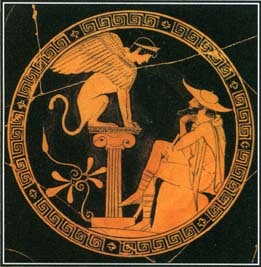
indovinello della sfinge, che rappresentano ovviamente un momento inziatico nella
vita di Edipo. Che poi non era un granché difficile.
Art and poetry
I often
hear contemporary artist that, in order to explain the ridde of contemporary
art to the laymen, liken their work to music. Music doesn’t represents things (with
a few exception such as “Le Quattro Stagioni” by Vivaldi), and yet it conveys
emotions. But I think that this likening is somewhat ill conceived.
Contemproary art does represents
things – actually, it imitates things so well that it usually present the thing
that should be represented itself! Kounelli’s horses is so good an imitation of 12 horses that the horses … are
actual horses in a staple! Morevoer, the feelings that arise from a piece of
art are probably more mental than the very direct emotions raisen by music.
Bach is very mathematical, and yet it is full of passion; the deep pleasure I
feel when I look a performance of Rikriit Tirvanja is almost completely
intellectual. This intellectual side of art is not new to contemporary art:
Mona Lisa is nice to contemplate, but becomes terribly involving only after
understanding.
In my
opinion, a better likening would be with poetry. Poetry is basically grounded
in metaphor, and it seems to me that the same can be said of contemporary art.
When Damien Hirst arranges hundreds of pills on glass shelves he makes a
metaphor; when Jeff Koons puts his electric hoovers on a pedestal he is doing
an hyperbole (another rhetoric figure). Metaphor ethymologically means
transport, and Duchamp’s ready made are “transported” from their original
context into a new environemt. Art of the first half of the XXth century is
still mimetic, although it is the mimesis of the not representable (Kandinskyj
tries to represent spiritual entities, Malevic the fourth dimension), art of
the second half of the XXth century is metaphoric. It is perhaps a coincidence,
but many – well informed and by no way conservative – don’t like it and found it
… rhetorhic, giving unjustly the fault to the market of art.
Metaphor is
a short circuit, that flashes reality and illuminates – hopefully – the hidden
meanings of things. The subject of classical art is truth, the subject of poetry and contemporary art are experience. The difference is not big, but important.
Etichette:
contemporary art,
Damien Hirst,
Duchamp,
experience,
Jeff Koons,
Kandinskyi,
Malevic,
metaphor,
poetry,
truth
martedì 31 dicembre 2013
Europe
The balance of the crisis in Europe is rather a disaster. Finance was very solid in Europe, and yet we are paying an heavy cost for a crisis that has arisen and is caused entirely by the United States. Moreover, when the crisis begun, instead of making a common front among the different countries of the continent, with theyr differente economies, we have seen a war between northern and southern countries, with the collapse of Greece and the grave crisis in Spain and Portugal. This is senseless. An euro a little less strong, more cooperation between Germany and the other European countries would have resulted in much more mild consequences of the crisis. The problem is that Germany is the strongest country in Europe and yet is totally inadequate to play the role of leader, due to a latent isolationism that has deep historical roots in Germany. France should play the role that today is of Germany, as always has been, but the weakness of its presidents, beginning with Sarkozy. And finally, European are completely turned down on themselves, anaware that we have good friends in the gloabl world, for instance Brazil and China, that would greatly appreciate a stronger, economically healthy Europe that balances the overwhelming power of the United States.
Etichette:
America,
euro,
Europa,
politica economica
Italiani
Giorgio Bocca sosteneva (riprendendo ovviamente Gobetti) che gli italiani sono tutti fascisti. Secondo me.non sono nemmeno fascisti, sono qualunquisti e baciapile. I fascisti credono in qualcosa, per quanto perversa e violenta, gli italiani non credono a niente. Quando erano pagani, non credevano ugualmente a nulla. per i pagani tuttavia ogni cosa è sacra; il cristianesimo ha tolto la sacralità del mondo, senza riuscire a introdurre la fede. Quest'ultima ha affascinato popoli molto più violenti, come i celti e i germani, che in ultima analisi hanno fatto l'Europa.
Etichette:
cristianesimo,
Europa,
fascismo,
fede,
italiani
Gattare
A Roma, non lontano dal Pantheon, esiste una via della Gatta. così detta per la statutetta di una gatta incastrata nel muro, La statutetta proviene da uno degli innumerevoli tempi di Iside della città imperiale, in cui sacerdotesse allevavano gatti sacri. La tradizione è rimasta probabilmente nelle "gattare", donne in menopausa ma ancora abbastanza giovani che nutrono e accudiscono le numerose colonie feline della città, soprattutto al centro ma anche in periferia.
domenica 22 dicembre 2013
Bocca di Rosa
Il capolavoro di Berlusconi è di aver fatto diventare Bocca di Rosa ministro della Repubblica. Così, oltre a diventare peggio di Torquemada, De André perde tutti gli argomenti. De André, che per fortuna sua è morto prima, si era accorto del pericolo e diceva di tenersi Prodi, brutto che fosse.
sabato 21 dicembre 2013
Bauhaus
I mobili IKEA sono la realizzazione su larghissima scala del sogno degli arts and crafts e del Bauhaus, ma che realizzazione triste!
lunedì 2 dicembre 2013
Models
In the funny but important paper Putting the plants back into plant ecology: six pragmatic models for understanding and conserving plant diversity" Keddy contrasts two widespread approaches in platn ecologists. He calls the first "theoreticians", that start from principles and deduce complex mathematical models, and the second "pragmatists" that begisn from observations and generalize to borad regularities. The first approach is clearly winning, but ecologists (in particular American ecologists) are well known for their episthemological unsofisticatedness. The contrast of Keddy is the two-thousand year old Aristotelian constrast between deduction and induction, and we know all too well that science is based enither on induction nor on deduction, but on a third process known as "abduction". Curiously, it was an American geologist and philosopher, Pierce, that highlighted the question (that had already been discovered, in other terms, bu Kant at the end of the XVIII century). In abduction, you neither start from principles and end with test, nor begin with observation and arrive to generalization, but you start with observations and ask "which theoretical model can possibly explain the observations?" After the model is build up, you look for confirmation in independent observations. For instance, Schrodinger equation, that describes the properties of electron in quantum mechanics, is not derived from obeservation (it is a wave function in a probability space that cannot be observed) nor from principles (in fact it seems quite crazy), but is the only model that explains observations such as the distribution of spectral lines of hydrogen or the scattering of electrons. In simpler terms, you begin with observation, build the model, and test the consequences of the model, not the model in itself. I have found two or three examples of this procedure in the ltierature, but 90$ of ecologists are still in the age of Aristoteles.
domenica 1 dicembre 2013
Rivoluzioni
Molti sostengono che i problemi del nostro Paese dipendano dal non aver mai fatto una rivoluzione - a differenza di Francia, USA, Gran Bretagna, Russia. Certamente siamo un paese pieno di ceti parassitari derivanti dalle antiche aristrocrazie imbelli e fannullone, ma fare la rivoluzione in Italia significherebbe mandar via la Chiesa - e una volta tolta la Chiesa, cosa resterebbe di questo Paese? Per cui un po' per opportunismo un po' per necessità non si è mai fatta e si spera nell'aiuto dei Paesi stranieri - successe già nel Risorgimento.
Iscriviti a:
Post (Atom)