Carino questo testo - e tra l'altro è grosso modo quello che è successo - però l'autore probabilmente è poco familiare con i giochi di potere e i complotti reali - che si fanno prendendo un gruppettino insignificante e facendolo gonfiare in modo che si contrapponga alle forze veramente rivoluzionarie - spesso però poi il gruppettino fa da solo - Hamas era un gruppetto finanziato da Israele ed è divenatto poi il suo maggior nemico.
Il finale (nietzchiano) direi che ne è la riprova. Uguaglianza e libertà sono idee decisamente ebraiche - l'antico testamento ne è inzuppato - lontanissime dalla mentalità greco-romana (pernso alla democrazia ateniese, in cui il concetto di uguaglianza non esisteva proprio, esisteva il concetto di molti, come dice tucidide), ed era il pensiero anche degli zeloti, quelli che facevano veramente paura ai romani e contro i quali i romani finanziarono i primi cristiani, dopo averli infiltrati (da personaggi come Paolo che però credo facesse il doppio gioco). In fondo la storia di Pilato che cerca di salvare cristo e degli ebrei (in realtà degli zeloti) che scelgono Barabba dice proprio questo, e credo che anche il tradimento di Giuda abbia a che fare con questa storia
Visualizzazione post con etichetta zeloti. Mostra tutti i post
Visualizzazione post con etichetta zeloti. Mostra tutti i post
domenica 1 aprile 2018

lunedì 29 dicembre 2014
Zealots in time
In the I century a.C. zealots fighted the Roman Empire in Plaestine. The Roman Empire ruled with the help of upper classes in the Provinces. Chrsitian were inspired by social and political dieas of the zealots, but mixed them up with exoterism and religion. The zealots eventually were defeated and disappeared, but the Crhsitina won. Today we have USA that rules a world Empire with the help of the upper classers of the Provinces (for instance the rulers of European countries), we have the left that fighted this Empire and seems to have been defeted, and the conspiracy theorists that mixed up the ideas of the left with religion, UFOs and exoterism.
mercoledì 24 dicembre 2014
Jesus, the zealot?
Terrorsim in Palestine has a bimillennial history. The zealots, that fighted for the liberation of the Jews from the Roman Empire, were the terrorists of that time. They had a strong commitment to social justice, and were rather integralistic concerning religion, not differently from Hamas.
Although the Gospel states that the Christian message is definitively spiritual ("My kingdom is not of this world" and many other passages), it is obvious that Jesus sympathized for the Zealots, and like the Zealots wanted the Jews to be freed of the Romans. I think that he didn't mix too much with them not for spiritual reasons, but for differences in strategy. The Zealots dreamed of going back to an independet kingdom of Israel, but the Christians warned that it was impossible to concentrate on Israel without considering the broader picture. In other wors, the liberation of Israel was impossible without the destruction of the Rome. The Book of Revelation is just about this (the Beast is the Roman Empire).
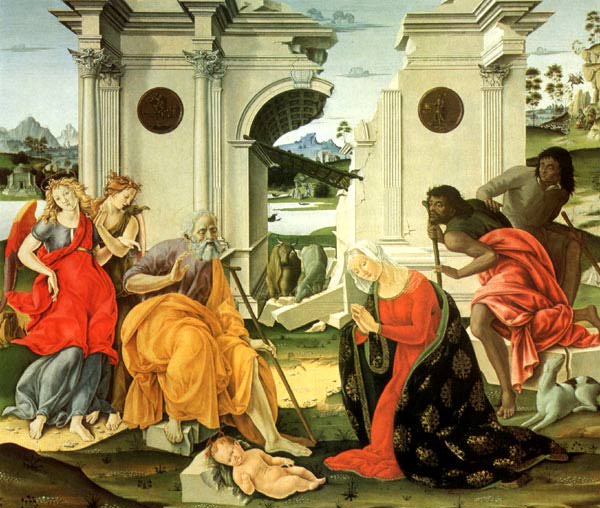
Zealots rose up a few years after the death of Christ, but failed and Jerusalem was destroyed in the 70. The Christians wiated longer, but ultimately they conquered Rome in the IVth century. All this is represented in classical paintings of the Nativity, where a broken column or temple is always present, meaning that Jesus destroyed the Ancient World, both spiritually and politically.

Although the Gospel states that the Christian message is definitively spiritual ("My kingdom is not of this world" and many other passages), it is obvious that Jesus sympathized for the Zealots, and like the Zealots wanted the Jews to be freed of the Romans. I think that he didn't mix too much with them not for spiritual reasons, but for differences in strategy. The Zealots dreamed of going back to an independet kingdom of Israel, but the Christians warned that it was impossible to concentrate on Israel without considering the broader picture. In other wors, the liberation of Israel was impossible without the destruction of the Rome. The Book of Revelation is just about this (the Beast is the Roman Empire).
Zealots rose up a few years after the death of Christ, but failed and Jerusalem was destroyed in the 70. The Christians wiated longer, but ultimately they conquered Rome in the IVth century. All this is represented in classical paintings of the Nativity, where a broken column or temple is always present, meaning that Jesus destroyed the Ancient World, both spiritually and politically.
venerdì 25 dicembre 2009
Giuda

Mi sono sempre chiesto, a proposito del tradimento di Gesù, non cosa potesse servire al Sinedrio o ai Romani arrestarlo, ma a cosa servisse loro farlo attraverso un traditore. Cristo faceva una vita pubblica, e sembra strano che sia stato arrestato in un luogo segreto, e di notte. Mi è venuto il sospetto che Giuda non Gesù dovesse tradire , ma una persona che si nascondeva tra i discepoli, probabilmente uno zelota antimperiale, forse lo stesso Barabba. Quando i romani ebbero fatto irruzione nel luogo dove si nascondevano i discepoli, Giuda indicò non Cristo, ma Barabba; a quel punto Gesù, per coprirlo, disse di essere lui il "ladrone" e si consegnò ai romani, un po' come Salvo d'Acquisto ai nazisti.
Si spiegherebbe così coerentemente sia il silenzio al processo, sia il fatto che Pilato, che doveva aver capito benissimo l'inghippo, abbia chiesto al popolo di scegliere tra Barabba e Gesù, e come il popolo, composto in larga parte di zeloti, abbia scelto di liberare Barabba.
Acquista anche un altro senso, molto meno spirituale e più politico, il senso della frase "si è immolato per i nostri peccati".
Merry Christmans!
Iscriviti a:
Post (Atom)