L'illuminismo non è credere nella ragione - sarebbe una ben povera credenza - è invece la consapevolezza che dio non c'è. E in effetti se si guardano con attenzione gli uomini di dio non se ne vede la minima traccia. A questo punto si aprono due possibilità: o si instaura il regno del terrore, come fecero Stalin e Pol Pot (sì Stalin e Pol Pot erano illuministi), oppure si segue Voltaire e si coltiva il giardino con le piante che ci stanno, senza cercare piante esotiche e perfette.
Visualizzazione post con etichetta ragione. Mostra tutti i post
Visualizzazione post con etichetta ragione. Mostra tutti i post
domenica 3 dicembre 2023

domenica 13 febbraio 2022
Speranza
La speranza matematica è il guadagno der deriva da un gioco se vinci moltiplicato per la probabilità di vincere. Il comportamento razionale è quello di spendere in un gioco solo se la speranza matematica è maggiore della posta. Per esempio se un biglietto di una lotteria costa un euro e si guadagna un milione allora bisogna giocare se c'è più di un milionesimo di probabilità di vincere; se c'è per esempio un miliardesimo di probabilità di vincere giocare non è più razionale.
Solo con questo concetto di teoria della probabilitò si capisce la scommessa su dio di Pascal. Pascal non dice che non c'è nulla da perdere ad aver fede, ma che aver fede è l'unico comportamento razionale. A me piace moltissimo il ragionamento di Pascal- che invece a molti credenti sembra suggerire che Pascal creda più nella ragione che in dio.
mercoledì 25 marzo 2020
Jung
la lettura di Jung è sempre vivificante, soprattutto perché ,anche se talora può sembrare misticheggiante, in realtà parla sempre nel segno della razionalità, una razionalità certo simile a quella greca che considerava la totalità dell'essere e non al positivismo morderno.
lunedì 11 settembre 2017
Lyotard, Auschwitz, evil, complexity
Lytorad mantains that the horror of Aushwitz, which is realt but not rational, falsifies the fundamental assumption fo Hefel "what is real is rational": And yet even Auschwitz has a meaning: it is a lesson about what is the absolute eveil, and I dare say that humankind has largely learned the lesson. It was not necessary: had man be more wise and less terrified by communism Hitler could have been avoided - nothing is stricltly necessary, and the idea of Lyotard arises from the confusion between rationality and necessity. Two or more outcomes can follow logically from a single cause, and many causes can lead to a single outcome. In quantum mechanics - which has the rationality and rigour of mathematics - many - usually even infinte - outcomes are possible, differently from the unique consequences of a cause in classical mechanics.
Post-modernism realizes that the solution of an equation can not be unique, that the world is a mutliverse, and yet it does not realize fully the consequences of this shift of paradigm - which can happen only with the shift to the systemic or complex thinking. Paradoxically, systemic thinking is much easier from a the point of departure of dialectic - at least this is my personal experience
Post-modernism realizes that the solution of an equation can not be unique, that the world is a mutliverse, and yet it does not realize fully the consequences of this shift of paradigm - which can happen only with the shift to the systemic or complex thinking. Paradoxically, systemic thinking is much easier from a the point of departure of dialectic - at least this is my personal experience
lunedì 25 agosto 2014
Feelings
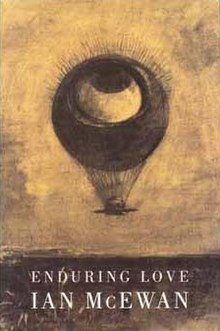
I said that McEwans's novel "Enduring love" was illuminating. But it was illuminating in a dialectical way. In fact. not even a statement in the novel is true, and not even a feeling is deep. False conceptions and shallow felleing is the mark of middle class - but it is rarely so well described. Morevoer, if a false thesis is well presented. it is easy to find its anthitesis.
The main idea udnerlying the novel is that feelings and reason are at odd. This doesn't correspond to my experience. True skepticals are wam and passionate - read the character of Socrates in Plato dialogues. And proletrians, thouth ardently passionate, are very clear-minded (see my previous post ). Although feelings can obscure reason (and reason repress feelings) there is no fundamanetal contradiction between the two, Only with a bad disposition of mind we can garble them. It is like right and left hand in knitting - the coordination is dificult and sometimes we make mistakes, but we don't claim that there is a fundamental contraditiction between left and right hand.
When I was a chid I often wondered "why feelings exist?" When I touch the fire I feel pain - but why? Why this long chain fire -> pain -> retreat? Would it not be simpler and faster fire->retrat? Thanks to the misunderstandings of McEwan I understood that we learn also with feelings. We learn through mental representations. These representations can be verbal, visual, and also made of feelings. Feeling representations are probably most primitive, and are present also in many animals, but for this very same reason they are also powerful and somtimes irreplaceable.
The main idea udnerlying the novel is that feelings and reason are at odd. This doesn't correspond to my experience. True skepticals are wam and passionate - read the character of Socrates in Plato dialogues. And proletrians, thouth ardently passionate, are very clear-minded (see my previous post ). Although feelings can obscure reason (and reason repress feelings) there is no fundamanetal contradiction between the two, Only with a bad disposition of mind we can garble them. It is like right and left hand in knitting - the coordination is dificult and sometimes we make mistakes, but we don't claim that there is a fundamental contraditiction between left and right hand.
When I was a chid I often wondered "why feelings exist?" When I touch the fire I feel pain - but why? Why this long chain fire -> pain -> retreat? Would it not be simpler and faster fire->retrat? Thanks to the misunderstandings of McEwan I understood that we learn also with feelings. We learn through mental representations. These representations can be verbal, visual, and also made of feelings. Feeling representations are probably most primitive, and are present also in many animals, but for this very same reason they are also powerful and somtimes irreplaceable.
Enduring love
I have read McEwan's novel "enduring novel". I don't know if it is a great novel, but it is illumianting. Its core meaning is science and rationalism as religious (metaphysical) justification of the bourgeois way of life. I dare say that the meaning of my life - if life has a meaning - is that the burgeousis way of life and all the bourgeouis way of thinking are agains reaston. Today this means a rather solitary lfie, since we have married the bourgeois way of life with irraionalism.
I report an excerpt of the novel:
" We live in a mist of half-shared, unreliable perceptions, and our sense data come warped by a prims of desire and belief, which tilted out memories too. (...) Pityless objectivity, especially about ourselves was always a doomed social strtegy, We're descended from the passionate, indignant tellers of half truths that in order to convince others, simultaneously convinced themselves. (...) This is why there re divorces, border diputes and wars, and this is why this statue ofthe Virgin weeps blood and that one of Ganesh drinks milk. And that was shy metaphysics and science were such curageous etrprises (..) huma artifacts set against the grain of human nature Disinterested truths".
This is a surprendent example of self-convinced half-truths: we ebguile ourselves, but is necessary very much beguilement to say that hat divorce from misunderstanding, and not from the fact that sometimes love ends, and that.wars arise self-deception and nio from conflicting interests. From this to say that our wars are disinterested truth ant the wars of other are due to ignorance - like in the Middle West today - is just a small step further.

I report an excerpt of the novel:
" We live in a mist of half-shared, unreliable perceptions, and our sense data come warped by a prims of desire and belief, which tilted out memories too. (...) Pityless objectivity, especially about ourselves was always a doomed social strtegy, We're descended from the passionate, indignant tellers of half truths that in order to convince others, simultaneously convinced themselves. (...) This is why there re divorces, border diputes and wars, and this is why this statue ofthe Virgin weeps blood and that one of Ganesh drinks milk. And that was shy metaphysics and science were such curageous etrprises (..) huma artifacts set against the grain of human nature Disinterested truths".
This is a surprendent example of self-convinced half-truths: we ebguile ourselves, but is necessary very much beguilement to say that hat divorce from misunderstanding, and not from the fact that sometimes love ends, and that.wars arise self-deception and nio from conflicting interests. From this to say that our wars are disinterested truth ant the wars of other are due to ignorance - like in the Middle West today - is just a small step further.
venerdì 31 ottobre 2008
fascisti

Ho molte difficoltà con i fascisti – i fascisti veri, non i semplici benpensanti. Il fascimo infatti è una fede – la fede che la prepotenza sia un bene e che la sopraffazione degli altri porti a una vita migliore per noi stessi – e contro la fede non valgono argomenti razionali. E’ la stessa difficoltà che incontrarono i filosofi pagani man mano che avanzava il cristianesimo – cercavano di confutarlo con argomenti razionali, ma immancabilmente fallivano. Oggi, dopo San Kant, sappiamo che l’esistenza di dio non può essere provata né vera né falsa, e, dopo molti morti, siamo più o meno convinti che è un problema da lasciare alla libertà di coscienza. Il caso del fascismo è più difficile, perché non può essere ristretto alla sfera personale coem di fatto abbiamo fatto con la religione. In un bellissimo capitolo della “Storia della Filosofia occidentale” di Bertrand Russel, quello dedicato a Nietzsche – è stato scritto nel ’42, per Nietzsche va inteso Hitler – Russel dice che non può confutare le idee hitleriane, anche se bisognerebe sentire il parere dei pesciolini di cottura, e lascia l’onere di rifiutare Hitler alla coscienza – altri direbbero al cuore, o allo spirito.
Forse però le ragioni psicologiche che stanno alla base della fede possono aiutare se non altro a capire. Tutti dobbiamo morire – anche se credo che pù che paura di morire abbiamo paura di perdere la proprietà accumulata durante la nostra vita, i popoli “primitivi” non hanno infatti paura della morte – ma la fede nell’immortalità dell’anima nega che si muoia – si badi bene, la fede nell’immortalità dell’anima, mai affermata da Cristo, non la fede nella resurrezione. Allo stesso modo tutti dobbiamo lavorare. Lavorare non significa spendere energia fisica o mentale, significa fare qualcosa che ci viene ordinato da qualcun altro, cioè in sostanza essere una sorta di schiavo – per il lavoratore dipendente del padrone, per il commerciante del cliente, e per l’imprenditore forse del mercato. Si tratta di un fenomeno recente, per esempio l’Italia era fino a pochi decenni fa un paese di piccoli proprietari agricoli, che, per quanto poverissimi, non dovevano rispondere ad altri se non a sé stessi. La schiavitù non è bella, come non è bella la morte, ma la fede nel “fascismo” nega che il “fedele” sia schiavo. In tutti e due i casi, la fede non si può curare con argomenti logici, ma soltanto accettando la nostra mortalità in un caso, nell’altro il lavoro. Walter Sinti dice che alla morte si risponde con la verità, e lo stesso vale per la schiavitù. In genere pensiamo che la verità sia amara; sono convinto – anche se l’esperienza comune di solito mi contraddice - che se si vive nella verità si vive addirittura nella gioia- quest’ultima, si badi bene, non è una fede, ma una speranza, per usare un termine cristiano.
Insomma, siamo diventati servi uno dell’altro – facendo astrazione delle innumerevoli ingiustizie – e la cosa non ci piace.
Forse però le ragioni psicologiche che stanno alla base della fede possono aiutare se non altro a capire. Tutti dobbiamo morire – anche se credo che pù che paura di morire abbiamo paura di perdere la proprietà accumulata durante la nostra vita, i popoli “primitivi” non hanno infatti paura della morte – ma la fede nell’immortalità dell’anima nega che si muoia – si badi bene, la fede nell’immortalità dell’anima, mai affermata da Cristo, non la fede nella resurrezione. Allo stesso modo tutti dobbiamo lavorare. Lavorare non significa spendere energia fisica o mentale, significa fare qualcosa che ci viene ordinato da qualcun altro, cioè in sostanza essere una sorta di schiavo – per il lavoratore dipendente del padrone, per il commerciante del cliente, e per l’imprenditore forse del mercato. Si tratta di un fenomeno recente, per esempio l’Italia era fino a pochi decenni fa un paese di piccoli proprietari agricoli, che, per quanto poverissimi, non dovevano rispondere ad altri se non a sé stessi. La schiavitù non è bella, come non è bella la morte, ma la fede nel “fascismo” nega che il “fedele” sia schiavo. In tutti e due i casi, la fede non si può curare con argomenti logici, ma soltanto accettando la nostra mortalità in un caso, nell’altro il lavoro. Walter Sinti dice che alla morte si risponde con la verità, e lo stesso vale per la schiavitù. In genere pensiamo che la verità sia amara; sono convinto – anche se l’esperienza comune di solito mi contraddice - che se si vive nella verità si vive addirittura nella gioia- quest’ultima, si badi bene, non è una fede, ma una speranza, per usare un termine cristiano.
Insomma, siamo diventati servi uno dell’altro – facendo astrazione delle innumerevoli ingiustizie – e la cosa non ci piace.
lunedì 24 marzo 2008
razionalità
Quando è iniziata l'avventura della scienza moderna ci si è subito accorti che la logica fisico-matematica dei fenomeni non era affatto intuitiva. Non è affatto intuitivo che una palla di legno e una palla di piombo cadano con la stessa velocità. Pian piano la logica fisico-matematica è diventata sempre più astratta, quasi incomprensibile, fino alle conquiste della relatività e della meccanica quantistica. Erano belli i tempi in cui la ragione era un fenomeno naturale e immediato, oggi serve un lungo studio per impadronirsi di questa logica. Dall'altra parte ci si sta accorgendo che la psicologia umana non è razionale neanche nel senso classico; pare che gli economisti la chiamino "irrazionalità prevedibile". In realtà la psicologia segue una sua logica ferrea, fatta di contrappassi e ambivalenze; quando ci si avvicina alle varie sapienze, si viene colpiti dalla esattezza logica di questi saperi; che si tratti in fondo nient'altro che della profonda comprensione della logica, del tutto diversa da quella "razionale" della psiche umana? Dio è inconscio; il grande tentativo di Freud (e di Jung) è stato quello di esprimere questa logica nel linguaggio della logica razionalistica.
E siccome il mondo è ormai dominato da quella che molti amano definire "tecnica", e che in realtà è la logica fisico-matematica, spesso la logica della psiche (le ragioni del cuore che la ragione non conosce) e la logica del mondo (in particolare dell'economia), vengono in conflitto. Non credo che se ne esca fuggendo dalla logica matematica, ma semmai rafforzando questo dualismo.
E siccome il mondo è ormai dominato da quella che molti amano definire "tecnica", e che in realtà è la logica fisico-matematica, spesso la logica della psiche (le ragioni del cuore che la ragione non conosce) e la logica del mondo (in particolare dell'economia), vengono in conflitto. Non credo che se ne esca fuggendo dalla logica matematica, ma semmai rafforzando questo dualismo.
Iscriviti a:
Post (Atom)