Plusieurs pensent que l'idée fondamentale de Marx était que l'économie (la structure) est la cause de la politique et de la culture (la sovrastructure). En realité, c'est presque le contraire: pour Marx la structure c'est la subdivision en classes - qui entraine le modèle économique dominant - et la lutte parmi celles - qui entraine l'économie; la sovrastructure est representée par la conceptualisation que nous faisons de la structure, c'est à dire laxement la culture. L'idée que l'economie est la structure est une idée catholique - les catholiques donnent une importance démesurée à l'argent, je ne sais pas pourquoi - est est à la base de la politique suivie dans le batissement de l'Union Européenne, qui commenca comme union économique (et en suite comme union monétaire) dans l'éspoir que l'économie entrainait la politique.
mercoledì 17 agosto 2011

BCE
Est-ce que peut-être, à la suite de la crise économique, on arrivera enfin à une politique économique européenne? Plusieurs se sont plaigné que nous avions un marché commun, une monnaie unique, mais pas de gouvernement de l'économie commun; avec les décisions de la BCE - inique bien sûr - qui passent par dessous de l'Allemagne justement hésitante dès qu'elle doit financer les mésures de la Banque de Frankfurt, nous avons déja un gouvernement européen. L'idée demochrétienne que l'économie (l'euro) aurait trainé la politique c'est peut-être averée.
martedì 16 agosto 2011
Tifo
Prima della caduta del muro di Berlino si era costretti a schierarsi con una parte o con l'altra, come in una guerra; la maggior parte degli italiani, a dire il vero, non amavano né l'uno né l'altro blocco, la maggior parte seguiva il vecchio principio "o franza o spagna basta che se magna", tuttavia lo schierarsi era inevitabile. La serietà dello scontro portava poi alla serietà dei politici, e al rispetto reciproco che si ha fra "eserciti" contrapposti, rispetto che nasce dal timore e dall'odio.
Caduto il muro, il dibattito politico è diventato identico al conflitto tra tifosi di squadre avverse, implacabile proprio perché innocuo.
Caduto il muro, il dibattito politico è diventato identico al conflitto tra tifosi di squadre avverse, implacabile proprio perché innocuo.
lunedì 15 agosto 2011
Aura

At last I visited the MAXXII, because I wanted to see the exposition of Michelangelo Pistoletto - a great artist, would he be born outside Italy, he will be famous as Damien Hirst or Jeff Koons, but perhaps he doesn't care. The museum is dedicated to italian art after 1980, and I was impressed by the fact that the fine works here exposed are often very poetic, but they lack the aura that I instead found in a work of the Chapman - one of the two only foreign artists present. What is thus aura? The works of the italian artists were more creative, and the fightful figurines of Chapham are somewhat artistically cheap, but probaby they are more relevant, since they tell us something important about the XXth century. And since their quotation are much higher, so that they share the aura of power.
Ammuina

E così Tremonti è riuscito a farsi prestare i soldi dai tedeschi - questo significa che la BCE compra i BOT - senza tagliare niente e dando qualche bella bastonata ai lavoratori - tanto per sembrare "rigoroso". Il tutto con la copertura dell'Europa, che, non dimentichiamolo, non si era accorta di nulla della Grecia finché non sono arrivate al governo le sinistre. Mandano i bilanci a gambe all'aria, ma come fanno ammuina loro non li batte nessuno.
venerdì 12 agosto 2011
Museum

"Fontaine" by Duchamps has many meanings, but the ultimate meaning is an irony on museums, that instead of preserving art destroy it. Much of the art of XX century share this idea that art cannot be put in museums, and many artists tried to make this impossible, by creating very large instalments that are unfit to traditional museal spaces - but the museum didnt resing, they created even larger, huge buidings, such as that of Bilbao or MAXXI! Fortunately it doesn0t exist yet a museum that can host the creations of Christo.
Cartainty
It is very bad science to look for definitive evidence, since definitive evidence is impossible – as Popper among others strongly advocates, all scientific truths are provisional - and it’s amusing to see many scientists seeking certitudes like men of faith. Scientist ultimately should be heir of Socrates and of his awareness of constitutive ignorance.
lunedì 8 agosto 2011
Bas-salaires

A la fin de la II Guerre Mondiale, l’Italie avait une seule ressource: un grand nombre de paysan misères et presque analphabètes. Les gouvernements et l’industrie misèrent donc sur l’exploitation intensive de cette ressource: avant tout, en stimulant l’émigration interne, et puis et surtout en s’appuyant sur une production industrielle de baisse qualité, mais peu coûteuse, grâce à cette force de travaille que l’on pouvait payer très peu. L’example parfait c’est la cinquecento, une voiture ingénieuse du point de vue méchanique et très peu coûteuse, mais minuscule, lente, assez dangereuse – très semblable aux voitures super-économique que maintenant l’Inde fabrique. Tout le monde reconnaîtra dans ce modèele, cette politique baisse qualité – bas salaires le modèle qui est suivi par la Chine aujourd’hui et qui pousse un boom chinois semblable au boom italien des années cinquante. Mais il y a une différence importante: en Chine on investit les revenues de cette croissance explosive dans l’instruction et la récherche, de façon que dans dix-ving ans, quand la politique des bas salaires ne séra plus faisable, la Chine passera d’une économie fondée sur les bas salaires à une économie mûre et de meilleure qualité, pas très différente de l’économie de l’Allemagne, qui est toujours, même dans cette période de crise globale, peut-être la plus competitive du monde. En Italie, nous avons continué avec la politique des bas salaires, sans passer à une économie plus mûre fondée sur les productions à fort taux d’innovation et de récherche, en confiant sur l’exportation à l’Allemagne et sur la soutien du marché intérieur par des politiques “keynesiennes” d’endettement, de dévaluatation de la lira, de déficit publique. L’on dira que la Chine a un marché intérieur immense – mais le marché Européen qui a representé la fortune du nord-est, mieux collegué à l’Europe centrlae que toute autre macro-région d’Italie, n’est pas petit. Et surtout il faut rappeler que au début des années ’60 il y a eu en Italie un tentatif de developper une structure industrielle fondée sur les ahutes téchnologies. L’example le plus connu c’est celui de Mattei, mais il ne faut pas oublier le cas de Natta et le dévéloppement important de la chemie, et même du nucléaire:l’Italie fût parmi les premiers Pays, avec l’Angleterer et les Etats Unis, à batirs des centrales nucléaires, à Latina et au Graigliano. Je suis un antinucléariste convaincu, mais la signification du nucléaire aux années ’50, bien avant la naissance d’une conscience environmentelle, a une signification bien différente qu’ aujourd’hui. Ce tentatif fût bloqué par les claisses politiques, je soupçonne du moins e partie sours préssion des Etats Unis, qui ne toléraint pas la concurrence italienne, et la mort tragique de Mattei en representa symboliquement l’éclipse.
Et maintenant? La Chine, l’Inde, le Brésil, ont des salaire bien plus bas que l’Italie, l’euro empêche la dévalutation de la monnaie et réduit l’avantage des exporations italiennes en Allemagne – le nord-est presque totalemente déindustrialisé aujourd’hui. Il fallait, en 2000-2002, faire ce que l’on n’avait pas fait pendant les dernières 50 ans, de passer à une écononmie fondé sur linnovation. Je crains que désormais nous avons perdu ce train.
Et maintenant? La Chine, l’Inde, le Brésil, ont des salaire bien plus bas que l’Italie, l’euro empêche la dévalutation de la monnaie et réduit l’avantage des exporations italiennes en Allemagne – le nord-est presque totalemente déindustrialisé aujourd’hui. Il fallait, en 2000-2002, faire ce que l’on n’avait pas fait pendant les dernières 50 ans, de passer à une écononmie fondé sur linnovation. Je crains que désormais nous avons perdu ce train.
Tu sei speciale perché sei mio figlio
Guardando i bambini di una qualsiasi famiglia italiana, mentre frignano, fanno i capricci, disturbano i vicini – come viene sottolineato dagli osservatori stranieri – non si può mancare di osservare nello sguardo compiaciuto dei genitori un messaggio che verrà inviato infinite volte nel corso della prima infanzia ai pargoletti: “tu sei speciale perché sei mio figlio”. Il messaggio è ambiguo: il bambino è speciale, ma in fondo di per sé non vale nulla, è speciale perché è figlio dei suoi genitori. Questo messaggio forse spiega il misto di vittimismo, di mancanza di fiducia in sé stesso – gli stranieri, specialmente francesi, ci disprezzano perché in guerra non ci buttiamo nel combattimento – che derivano dall’annullamento del figlio rispetto al genitori – e di narcisismo, supponenza, vanteria, che derivano dal fatto di essere “speciale”.
Il messaggio rimane fondamentalmente inconscio. Quando l’infante non è più infante e comincia a parlare il padre si incarica della costruzione del super-io cosciente, impartendogli come preziosa massima di vita che deve pensare solo a sé stesso e che deve farsi strada a gomitate (nel caso migliore). E da qui l’inesistenza della dimensione collettiva in Italia – anche nelle persone di sinistra.
Il messaggio rimane fondamentalmente inconscio. Quando l’infante non è più infante e comincia a parlare il padre si incarica della costruzione del super-io cosciente, impartendogli come preziosa massima di vita che deve pensare solo a sé stesso e che deve farsi strada a gomitate (nel caso migliore). E da qui l’inesistenza della dimensione collettiva in Italia – anche nelle persone di sinistra.
Vélazquez

Vélazquez’s paintings of mighty men are not flattering: the men of power are portrayed with inflated bellies, lumpy noses, prominent chins, bovine eyes. Vélazquez obviously didn’t like the power and thought that the power of art was much more mighty than the power of sword. Innocenzo X refused his portrait as too “realistic”, but this was not the case of the king of Spain, that instead encouraged and patronized Vélazquez. The message of the king was “it doesn’t matter if you portrait me as a semi-idiot, I am the king, and I will reign even if being an idiot.” But the last move was to Vélazquez. In his large painting “Las Meniñas” he portrays ... himself portraying the king – the king and the queen can be seen only in a glass in the centre of the painting. The mightiest is the artist, the king is secondary. Moreover, since it is evident that the king and the queen are opposite to the painter, outside the surface of the painting, any watcher can be considered to take the place of king – he who appreciates art is a king.
The provocations of Hirst are not much different, although much less ingenious.
The provocations of Hirst are not much different, although much less ingenious.
domenica 24 luglio 2011
Debito
Riporto quanto scritto da Loretta Napoleoni sull'ultimo "Venerdì" di Repubblica (p. 57): "Il nostro debito pubblico è pari al 120% del PIL (...) 1800 miliardi di euro. (...) Nei prossimi cinque anni l'Italia dovrà rifinanziare la bellezza di 900 miliardi di euro. (...) Che significa tutto ciò? Che se i mercati decideranno di non prestarci più soldi, come è avvenuto per Grecia, Portogallo e Iralanda, non sarà possibile varare un piano di salvataggio: l'Europa unita non ha a disposizione tanto denaro. Morale: se il governo non agisce subito imponeno una tassa patrimoniale una tantum pesantissima (...) rischiamo proprio di finire come i vicini greci.
sabato 23 luglio 2011
Leonard
We are often astounded by the scientific achievements of Leonardo and by the visionary nature of his drawings of plants, anatomy and geology. Although he was also an ingenious engeneer - and his most famous inventions such as the helicopter or the parachute testify this - I think that he begun to draw the things of nature, in particular anatomy, not for scientific interest, but in relationships with painting - the knwoledge of anatomy is essential for the portrait of a human body.
Drawing
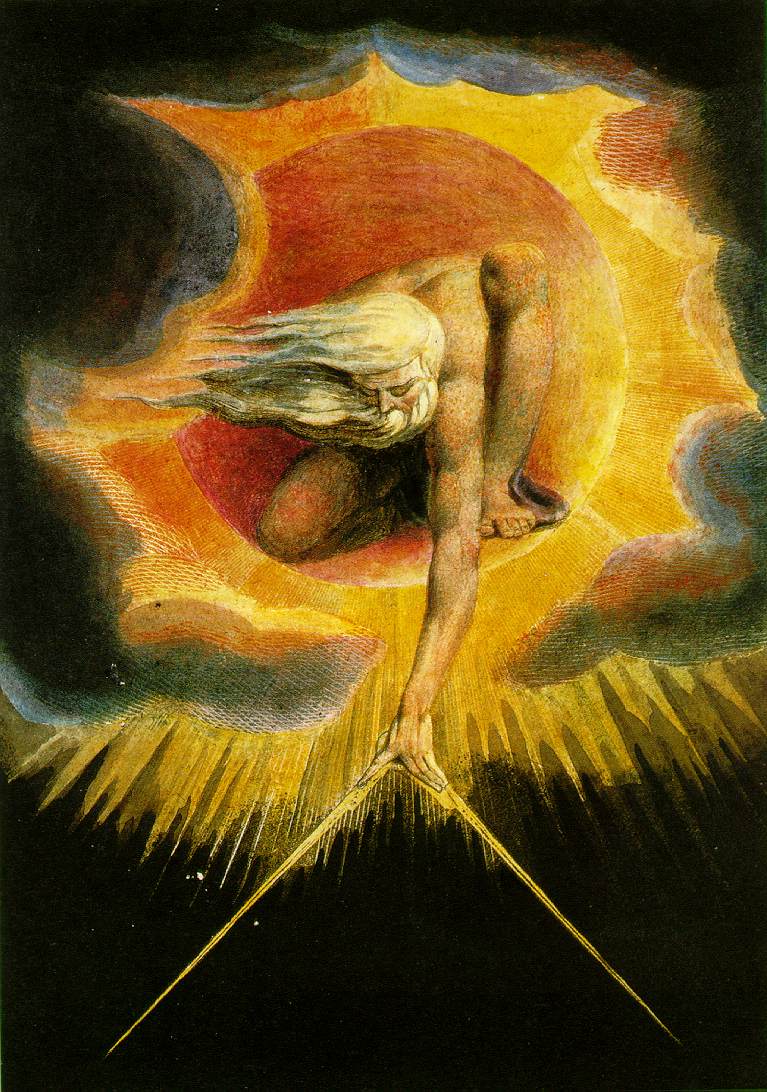
Architecture still relies on the Reinessance idea that if you can draw, you can create the world - buildings, paintings, machines, a few century after industrial objects - and thus you are like god. The free masons symbolism of square and compass and the famous painting of the creation where god is represented as an architect is based on this idea. A corollary to the idea is that the architect - not the painter nor the sculptor, that create only images of the world - is like god. The idea is still among us: if you are acquainted with architects you certainly had the feeling that they believe to be able to do everything - to be omni-potent. But science, that rised at the end of the Reinessance - has told us that the structure of the world - and therefore the ability to modify it or even create things - is based on certain mathematical relationships among the parts - in some way Pythagorean conceptions are at the base of our modern vision of the world, and it is no case that Kepler was guided by Pythagorean principles in the discovery of the laws of motion of planets. Drawing as nothing to do with these mathematical relationships, although it can suggest them, and this explains why archtitect believe they can do everything but usually are able to do nothing - often not even buildings.
venerdì 22 luglio 2011
Meier
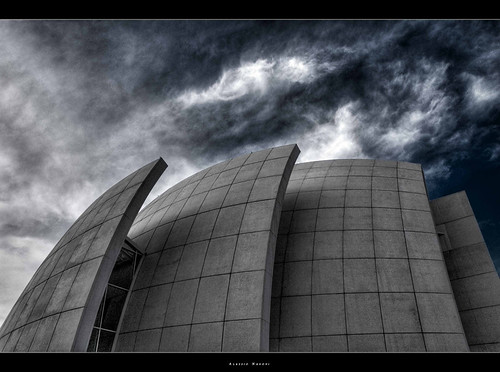
I recentrly visited the "Jubilaeum church" of Richard Meier in Tor Tre Teste, in the suburbs of Rome. Simply perfect, and the comparison of this church with the "Ara pacis", that is not a very successful building, imposes a couple of consideration. The first is that the commisioner of a building does matter: the Church has a little more experience than Walter Veltroni in art and architecture. The second is that the leftist government of Rome of the former years wanted to break drastically with the past in inserting a modernist intervention in the fundamentally baroque urban tissue of the centre of Rome - but at the same time asked Meier not to break too drastically with the case that dated to the '30s of the last century and was a modest example of fascist rationalism -so that the german architect was obliged to reconcile his "lecorbuserian" conception with the fascist pompous attitude, he had to mantain more or less the original proportion and the organization of the ceiling, he had to build a wall of travertine - travertine was much loved by fascists because it reminded the Colosseum, but originally travertine was a relatively poor material that was hidden - in the Colosseum and elseqhere, by wonderfully coloured marbles .... In practice, the usualo stop and go strategy of PCI-PDS-PD
lunedì 11 luglio 2011
Default

Prodi aveva proposto al Paese di fare qualche sacrificio per risanare il mostruoso debito pubblico e restare nell'euro. I lavoratori tutto sommato furono d'accordo (sacrificio più, sacrificio meno), ma al 20% ricco del paese venne quasi una crisi isterica: "mi vogliono togliere qualche euro, sono rovianato! (in stile zio Paperone). Prodi cadde, venne la politica di "tolleranza" dell'evasione e di aumento della tassazione indiretta di Berlusconi e Tremonti. Vent'anni dopo, siamo sull'orlo della bancarotta. Il bel sito http://globaleconomicanalysis.blogspot.com/ chiama l'Italia "l'elefante invisibile".
Incidentalmente, questo 20% più ricco attualmente ha i soldi che gli escono dalle orecchie. Se per una volta toccassimo i forti invece che come al solito i deboli, mi sa che avremmo un bilancio florido; fu del resto l'errore di Prodi, chiedere sacrifici a tutti, invece di chiedere di più a chi ha di più - del resto a un democristiano non si può chiedere di diventare socialista.
Iscriviti a:
Post (Atom)